

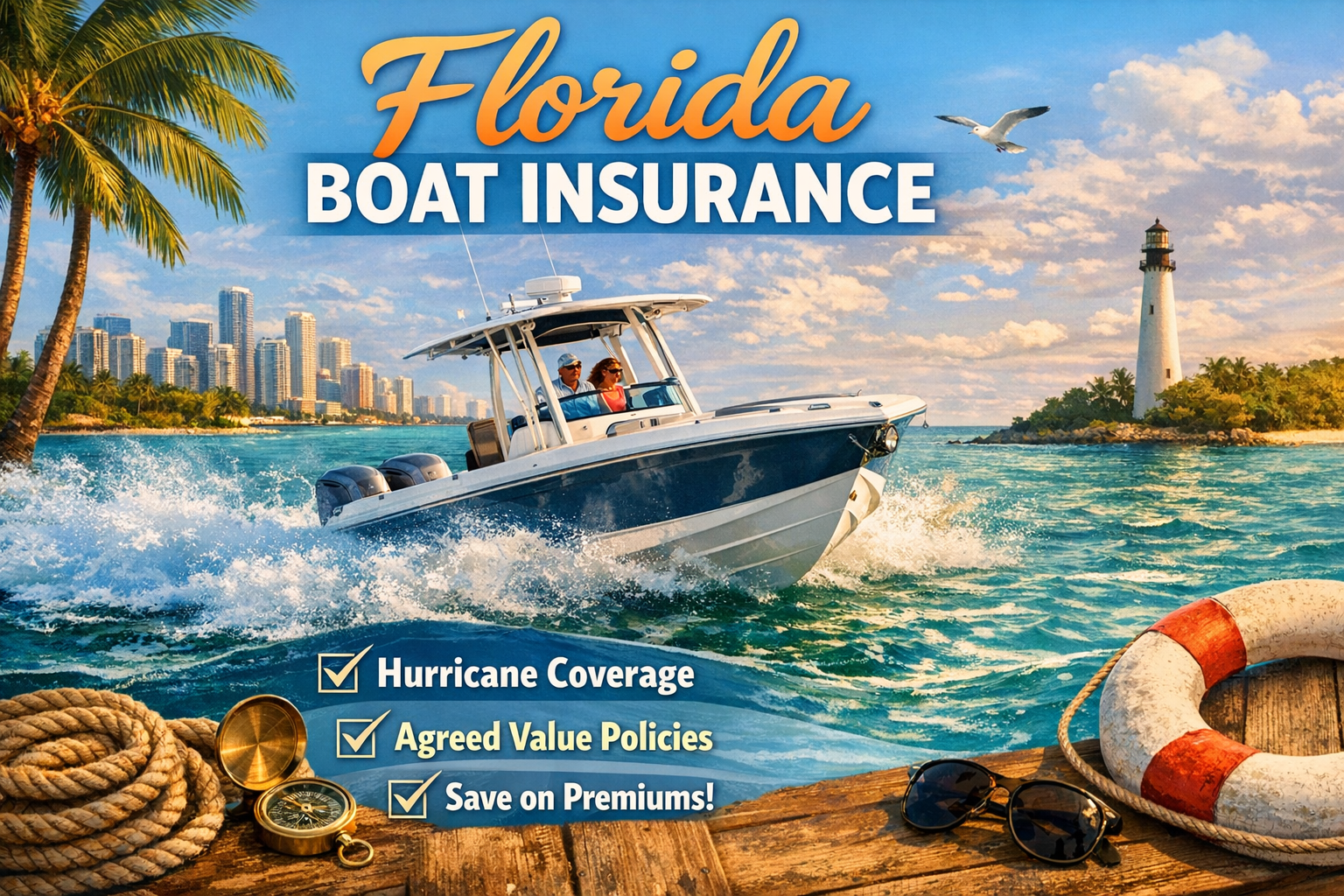
Florida’s beautiful waterways attract boaters from all over the country. With miles of coastline, lakes, and rivers, the Sunshine State truly offers a unique boating experience. However, navigating Florida’s waters comes with responsibility, especially when it comes to protecting your vessel. Understanding boat insurance is not only about following the law but also about safeguarding your investment and your loved ones. In this guide, you will find everything you need to know about Florida boat insurance, from requirements to making a claim. Florida Boat Insurance for Owners is good for your protection.
Understanding The Requirements
Florida is famous for its lack of mandatory boat insurance laws, unlike some other states. While state law does not require most boat owners to carry insurance, marinas and lenders often have their own rules. Many marinas require proof of liability coverage before granting docking privileges, so you may need insurance to keep your boat at a slip. If you finance your vessel, lenders usually require comprehensive and collision coverage to protect their interests.
Although the state does not mandate coverage, going without insurance could put your finances at risk. Accidents can happen at any time, whether you are cruising along the coast or anchored in a quiet cove. Without protection, you could be responsible for expensive repairs, medical bills, or even legal fees if you are found at fault. For these reasons, carrying insurance makes sense for most Florida boaters.
Many boaters think that their homeowners insurance automatically covers their boats. However, most standard policies offer limited or no coverage for watercraft, especially once your boat leaves your property. By purchasing a dedicated boat insurance policy, you can ensure your vessel and passengers are fully protected. Even though Florida law is lenient, boat insurance brings peace of mind while out on the water. Florida Boat Insurance for Owners is a must have.
Types of Boat Insurance Coverage Available in Florida
Florida boat insurance offers a variety of coverage options tailored to the needs of boat owners. Liability coverage is one of the most important types, as it pays for injuries or property damage that you may cause to others. Many policies also offer medical payments coverage, which helps pay for medical expenses if you or your passengers are hurt in an accident. With uninsured boater coverage, you are protected if another boater without insurance hits you.
Comprehensive and collision coverage protects your boat from damage caused by accidents, storms, theft, or vandalism. In Florida, where hurricanes and severe weather are common, comprehensive protection is especially valuable. You can also add coverage for personal belongings, fishing gear, and even towing services in case your boat breaks down. Optional add-ons like fuel spill liability and wreck removal coverage are becoming increasingly popular.
While shopping for insurance, you will find that policies can vary widely. Some offer agreed value coverage, which pays a predetermined amount if your boat is totaled. Others provide actual cash value, which factors in depreciation. Understanding these differences can help you choose the best policy for your needs, ensuring you have enough protection regardless of what happens on the water.
Key Factors That Affect Your Florida Boat Insurance Rates
Boat insurance rates in Florida depend on several important factors. The type and size of your vessel play a major role in determining your premium. Generally, larger or more expensive boats cost more to insure, while older vessels may be cheaper but require special consideration. How and where you use your boat also impacts your rates, as frequent use or trips offshore can increase the risk of an accident.
Insurance companies look at your boating experience and claims history. If you have a clean record and years of safe boating under your belt, you may qualify for discounts. On the other hand, a history of accidents or traffic violations could raise your premiums. Installing safety equipment such as fire extinguishers, GPS, and alarms can also help lower your insurance costs.
Location also plays a crucial role in your insurance rate. Because Florida is prone to hurricanes and severe storms, policies in coastal areas often come with higher premiums. Storing your boat in a secure, hurricane-resistant facility may help you save on insurance. By understanding these factors, you can make smart decisions that keep your premiums in check.
Essential Steps to Buying Boat Insurance in Florida
When shopping for boat insurance in Florida, start by gathering information about your vessel. Have details ready such as make, model, year, and any special features. Insurance companies will also ask about your intended use, storage location, and safety equipment. With all this information on hand, you can request accurate quotes and compare your options.
Next, shop around and request quotes from multiple insurers. Comparing offers will give you a sense of the coverage options and pricing available in the market. Be sure to review the policy limits, deductibles, and any exclusions carefully. Some policies may look affordable at first but offer less protection when you need it most. Research Florida Boat Insurance for Owners.
Before signing up, ask about available discounts and additional coverage options. Many insurers offer savings for safe boating courses, bundled policies, or claims-free history. Look for companies with strong customer service and a good reputation for handling claims. Once you have selected your policy, keep your documents handy and review them each year to ensure your coverage remains up to date.
Tips for Filing Boat Insurance Claims Successfully
If you ever need to file a boat insurance claim in Florida, start by notifying your insurance company as soon as possible. Provide all necessary details about the incident, including the date, location, and any damage or injuries involved. Taking photos and collecting witness statements can help support your claim and speed up the process.
Keep detailed records of repairs, estimates, and any communication with your insurer. Staying organized makes it easier to track progress and provide documentation if needed. Always follow your insurer’s instructions closely, as missing deadlines or leaving out information can delay your claim. If you work with a repair shop, make sure they have experience with insurance claims and provide accurate invoices.
Stay in touch with your claims adjuster and ask questions if you do not understand something. Clear communication can prevent misunderstandings and ensure your claim is handled efficiently. If you encounter problems or disputes, consider seeking advice from an insurance agent or a legal professional. By following these tips, you give yourself the best chance at a smooth, successful claim process.
Navigating the world of Florida boat insurance may seem overwhelming at first, but with the right information, it becomes much easier. By understanding the state’s requirements, you can ensure you meet all legal and financial obligations. Exploring the wide variety of coverage options allows you to tailor your policy to your specific needs, giving you peace of mind whenever you are out on the water. Considering the factors that influence insurance rates helps you make informed choices and potentially lower your costs. Carefully following the steps to secure coverage ensures you are not caught off guard by unexpected events. Knowing how to file a claim smoothly can make a stressful situation more manageable and protect your investment. Boating in Florida is a wonderful experience, and having the right insurance lets you enjoy it safely. Remember to review your policy annually and update it as your needs change. As you set sail, let your boat insurance provide the confidence and protection you need for every adventure.